
Fibronectin (FN) is an extracellular matrix glycoprotein containing the RGD cell adhesion motif. Unlike collagen, which only provides structural support, it participates in cell adhesion and migration, helping the skin appear visually smoother and firmer, making it a core signaling molecule in repair formulations.
Many formulators mistake fibronectin for a substitute for collagen, but this is a misconception. Collagen mainly provides a structural scaffold, while fibronectin has a molecular weight between 450 and 500 kDa and inherently contains the RGD cell adhesion motif, heparin-binding domain, and fibrin-binding sites. Simply put, collagen is the brick, and fibronectin is the signaler in the cement, telling cells where to go and how to arrange themselves. In formulations, it primarily helps improve the appearance of rough skin, making it feel smoother and look firmer.
Let's look at the physicochemical specifications of conventional fibronectin raw materials.
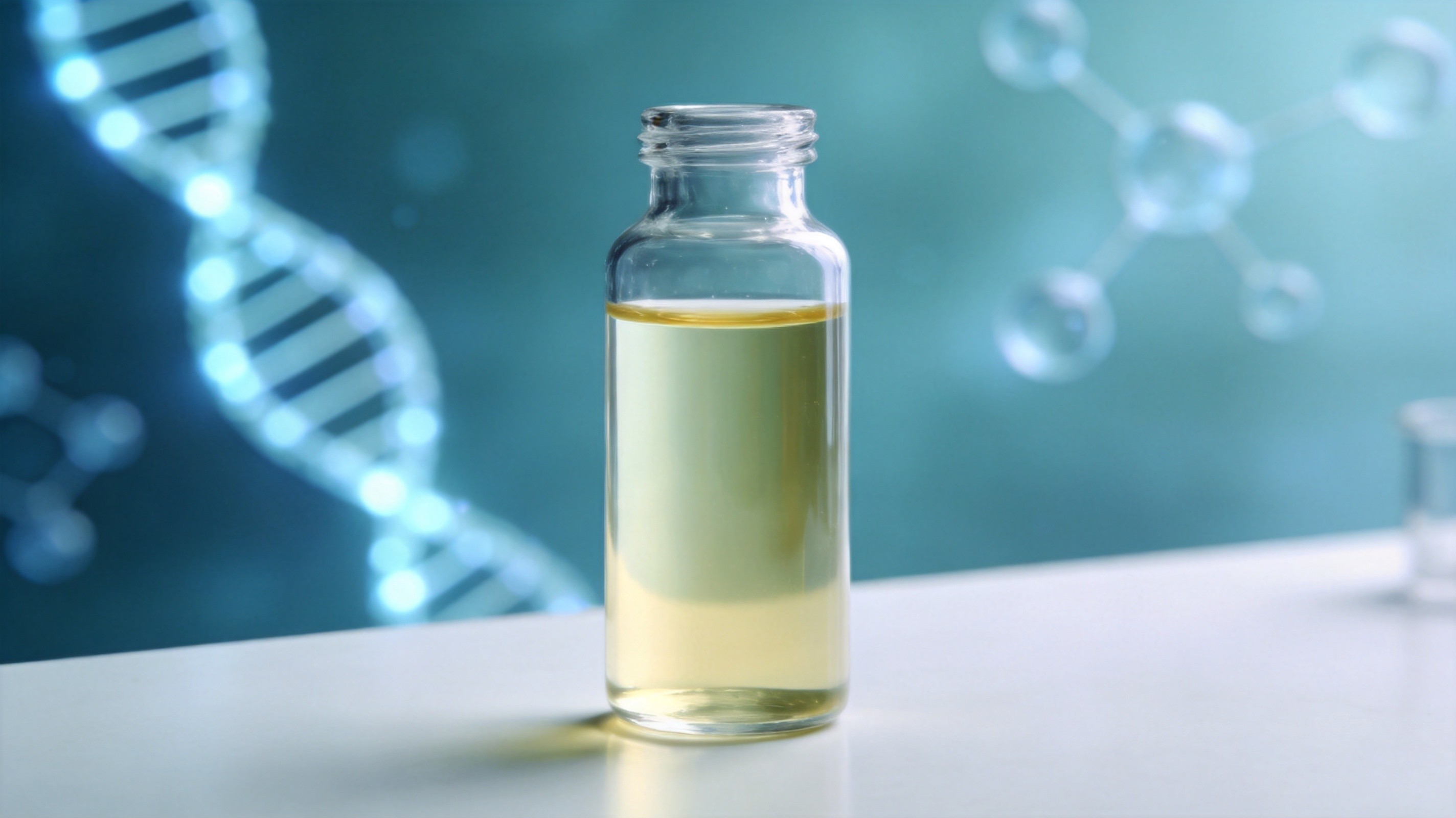
Appearance: Colorless or slightly yellow transparent liquid Odor: Characteristic odor pH: 6.0 to 8.0 Solubility: Good water solubility, compatible with most aqueous systems Recommended dosage: Typically between 1% and 5%, depending on the target product positioning Compatibility advice: Avoid direct mixing with strong acids, strong bases, or high concentrations of heavy metal ions to prevent protein denaturation and inactivation
If you are looking at raw materials with the INCI name Hydrolyzed Fibronectin (CAS 100085-35-6), the situation is different. This is a small molecule fragment obtained through enzymatic or acid-base hydrolysis. It retains some biological activity and is defined in the cosmetic ingredient dictionary as a dual-action skin and hair conditioner. The small molecule fragments have better permeability, suitable for daily maintenance and basic moisturizing essences, helping hair and skin maintain a smooth feel.
Q: What is the difference in mechanism between fibronectin and recombinant collagen in formulations? A: The mechanisms are different. Recombinant collagen mainly provides structural support, while fibronectin contains the RGD motif and is responsible for cell adhesion signaling. In formulations, collagen makes the skin feel hydrated, while fibronectin helps improve rough appearance, enhancing visual smoothness and firmness. The combination of both works better.
Q: What is the recommended dosage and pH range for fibronectin raw materials in emulsification systems? A: The recommended dosage is typically between 1% and 5%. The pH must be strictly controlled between 6.0 and 8.0. Deviating from this range will cause protein denaturation and inactivation. It is recommended to add it when the water phase has cooled to below 40°C to avoid high-temperature damage to the protein structure, ensuring the final product's feel and stability.
Q: What is the difference in application between hydrolyzed fibronectin and full-length fibronectin? A: Full-length fibronectin has a large molecular weight and is suitable for high-end intensive repair formulations, helping the skin look younger and smoother. Hydrolyzed fibronectin is small molecule peptides with fast penetration, mainly used as a skin and hair conditioner, suitable for daily moisturizing essences and personal care products, providing a smooth feel and basic conditioning.
Q: What are the typical microbial limits and heavy metal standards for fibronectin raw materials? A: Microbial control is extremely strict. The conventional standard is total colony count ≤100 CFU/ml, mold and yeast ≤10 CFU/ml. Lead content is typically required to be ≤10 mg/kg. For medical device grade, endotoxin standards are higher, and specific COA must be requested from the supplier for confirmation.
During the formulation development stage, batch stability and impurity profile of raw materials are crucial. If you are working on a repair line or Class II Medical Device products and need to evaluate our fibronectin or hydrolyzed fibronectin, you can directly request gram-level samples from us. We will also send you the COA, technical data sheet, and complete impurity profile together, making it convenient for you to directly include them in your formulation files.