
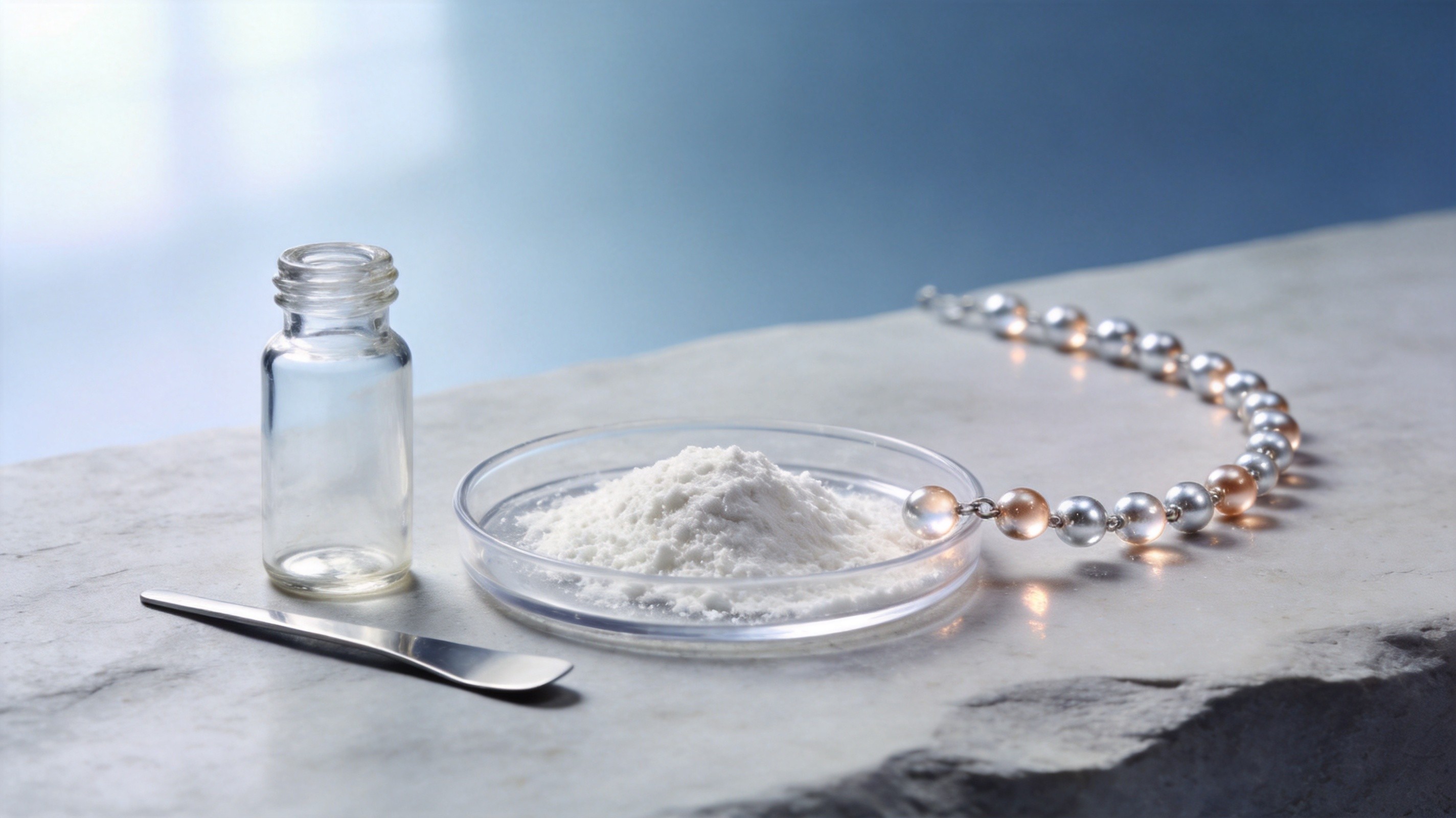
Recombinant Metallothionein (MT) is a cysteine-rich protein with a molecular weight of approximately 6-7 kDa. It exerts its core effects by directly quenching free radicals and activating the antioxidant network. The recommended addition level in cosmetic formulations is only 0.01% to 0.1%.
When formulators look for antioxidants, they typically choose between Vitamin C, E, or Glutathione (GSH). Metallothionein offers a solution from another dimension. It directly scavenges hydroxyl radicals and superoxide anions, prevents lipid peroxidation, and upregulates intracellular superoxide dismutase (SOD) and glutathione expression. Data show that its reaction rate with hydroxyl radicals is ten thousand times faster than that of SOD, and its overall antioxidant efficacy is significantly higher than conventional doses of glutathione. This dual mechanism of direct scavenging and network activation allows it to maintain the antioxidant stability of formulations at extremely low addition levels.
The metallothionein molecule contains approximately 30% cysteine. These sulfhydryl groups have an extremely high affinity for heavy metal ions such as zinc, copper, and cadmium. In terms of improving skin tone appearance, it blocks the melanin production pathway by chelating the copper ions at the active site of tyrosinase. Chelation helps remove residual heavy metal ions from the environment, improving the dull appearance caused by heavy metal deposition and making the skin look more translucent.
To facilitate direct evaluation by R&D, here are the core technical parameters of the raw material: INCI Name: Cysteine, Trehalose / Metallothionein Molecular Weight: 6 - 7 kDa Cysteine Content: Approximately 30% Appearance: White to off-white lyophilized powder Purity: ≥95% (SDS-PAGE) Solubility: Easily soluble in water and dilute buffers Recommended Addition Level: 0.01% - 0.1% Addition Method: Add at low temperature in the aqueous phase
Q: What is the essential difference in antioxidant mechanism between recombinant metallothionein and glutathione? A: Glutathione primarily acts as a single electron donor to directly scavenge free radicals, whereas metallothionein not only directly quenches free radicals but also upregulates the expression of superoxide dismutase and glutathione, building a sustained antioxidant network. This dual mechanism enables it to exert significant antioxidant effects at extremely low concentrations.
Q: What are the specific pH and temperature requirements when adding metallothionein to a formulation? A: It is recommended to add it at low temperature (below 40°C) in the aqueous phase and to control the formulation pH between 5.0 and 7.0. Metallothionein is a protein structure; high temperature or extreme pH can cause changes in its spatial conformation, thereby losing the active chelation and scavenging capacity of its sulfhydryl groups.
Q: How does the high cysteine content of metallothionein affect its practical application efficacy? A: The approximately 30% cysteine content provides abundant sulfhydryl groups, which are the core active groups for chelating heavy metal ions and scavenging free radicals. The high content of sulfhydryl groups not only gives it extremely strong heavy metal binding capacity but also helps improve the appearance of uneven skin tone by chelating copper ions in tyrosinase.
Q: What conditions should be noted for the storage and transportation of metallothionein in lyophilized powder form? A: The lyophilized powder form maximally preserves protein activity. It should be stored sealed in a refrigerated environment at 2 to 8°C, avoiding repeated freeze-thaw cycles and direct sunlight. After reconstitution, it is recommended to use it as soon as possible. If the reconstituted solution needs to be stored, an appropriate preservative system should be added and refrigerated.